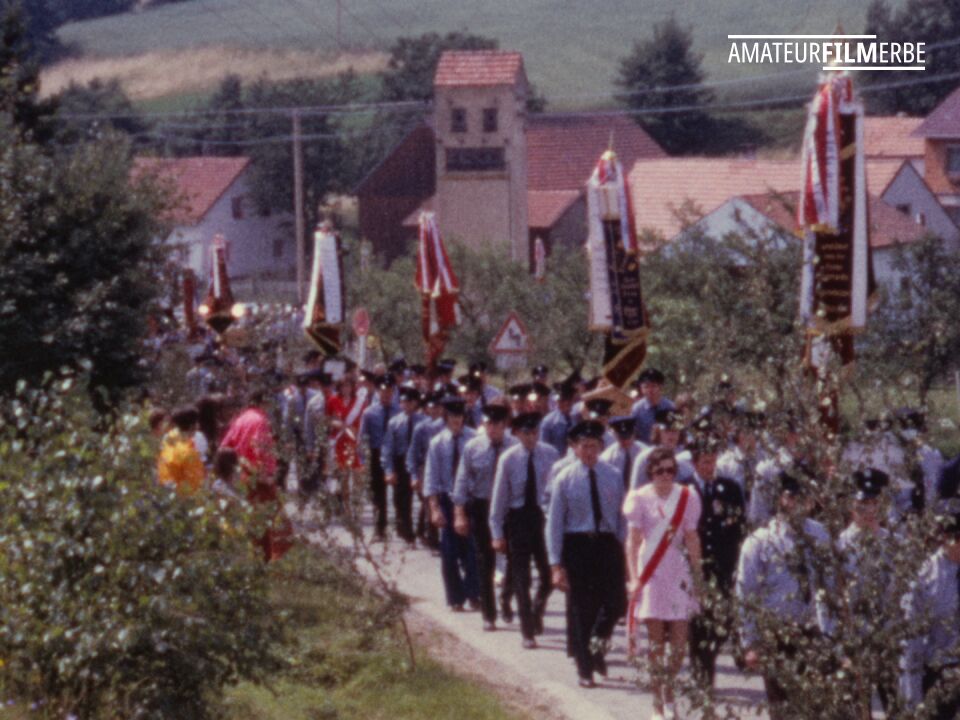
FRG | 1974 | 10:11 min
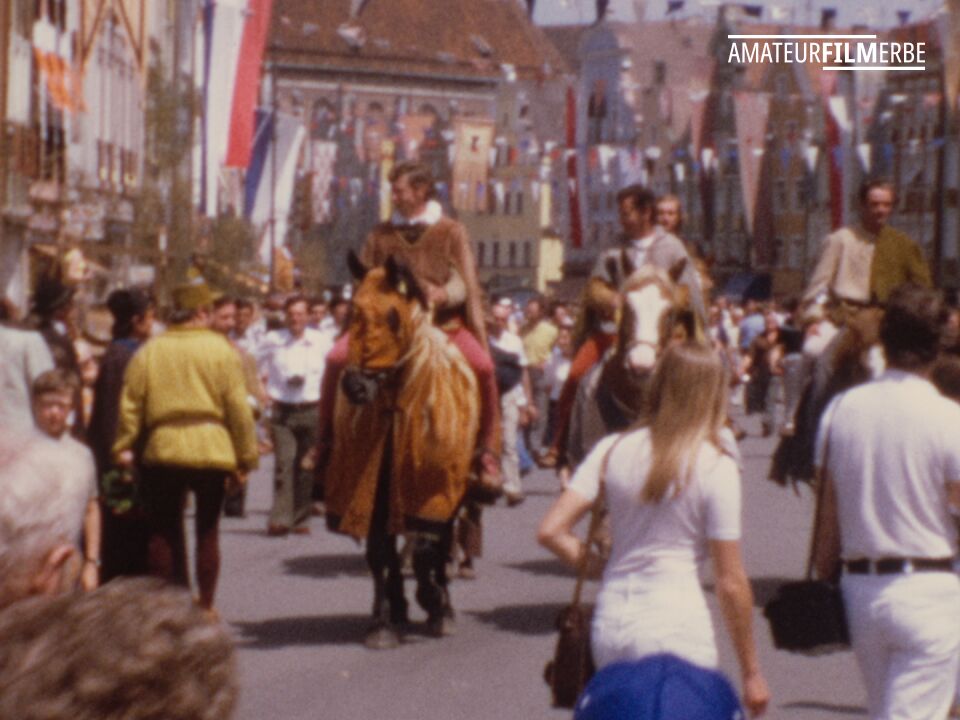
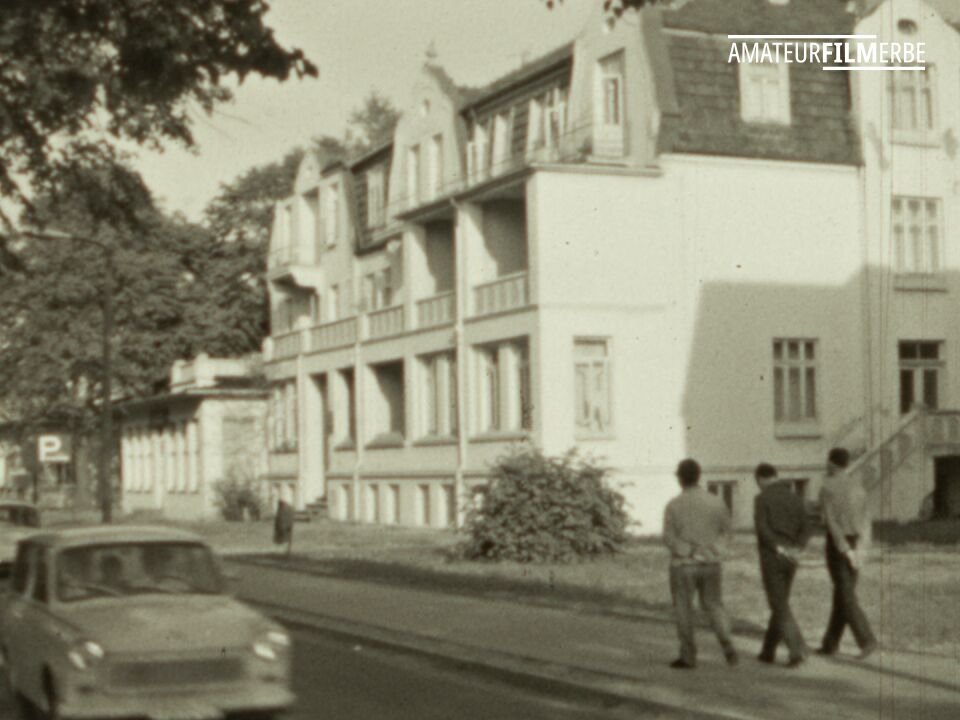
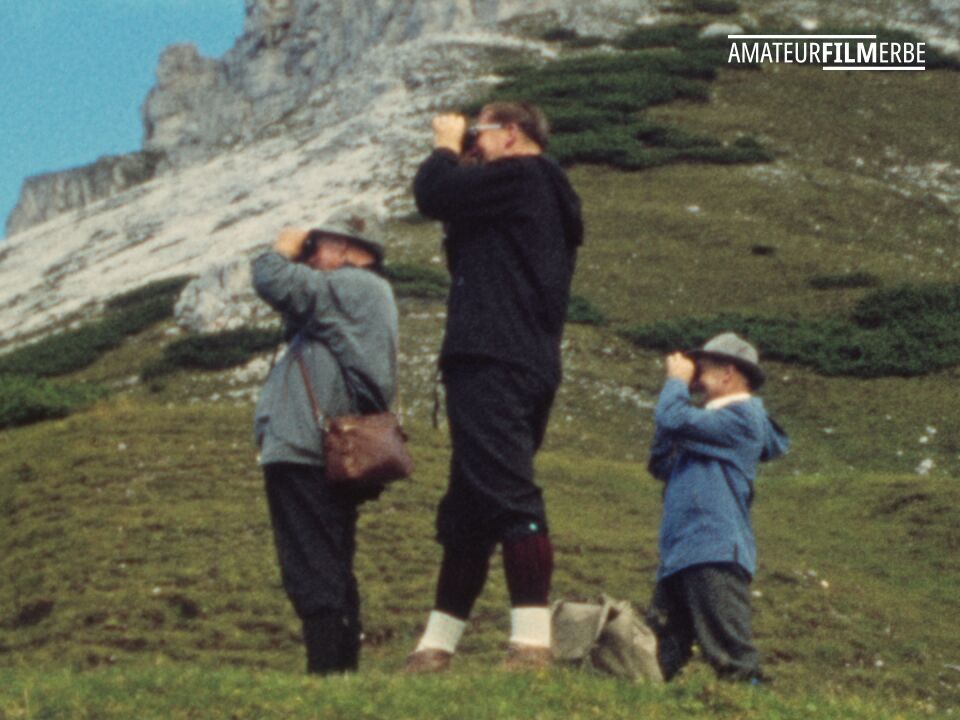
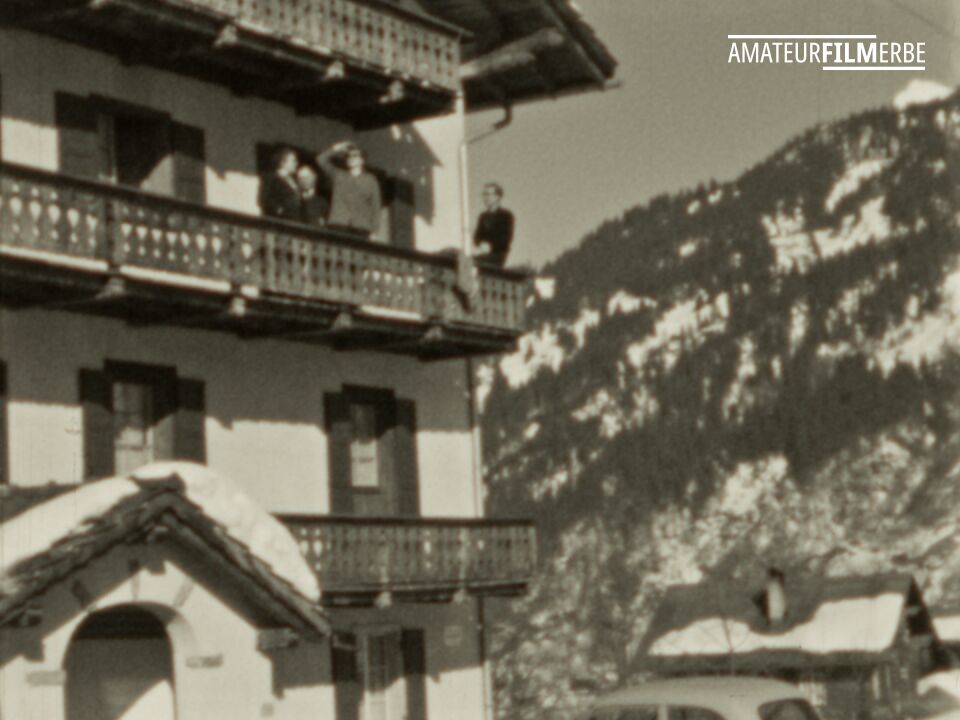
Amateurfilmerbe.de preserves private 8mm film footage from the 1950s to the 1980s, in which amateur filmmakers rarely captured world-shaking events, but rather their own surroundings: family celebrations, day trips, holidays and scenes from everyday life. It is precisely these casual moments – often merely a footnote in professional productions – that, viewed from today’s perspective, offer valuable insights into past decades. Clothing, modes of transport, architecture and leisure habits are revealed, as are the changes in towns and landscapes, which have often changed significantly or even disappeared altogether today. Thus, the films collected as part of this non-commercial project serve as vivid documents of social change and, at the same time, as valuable sources for academia and research.
Come along on a little journey through time on Super 8 and Regular 8 – coming soon in over 150 amateur films to this website!
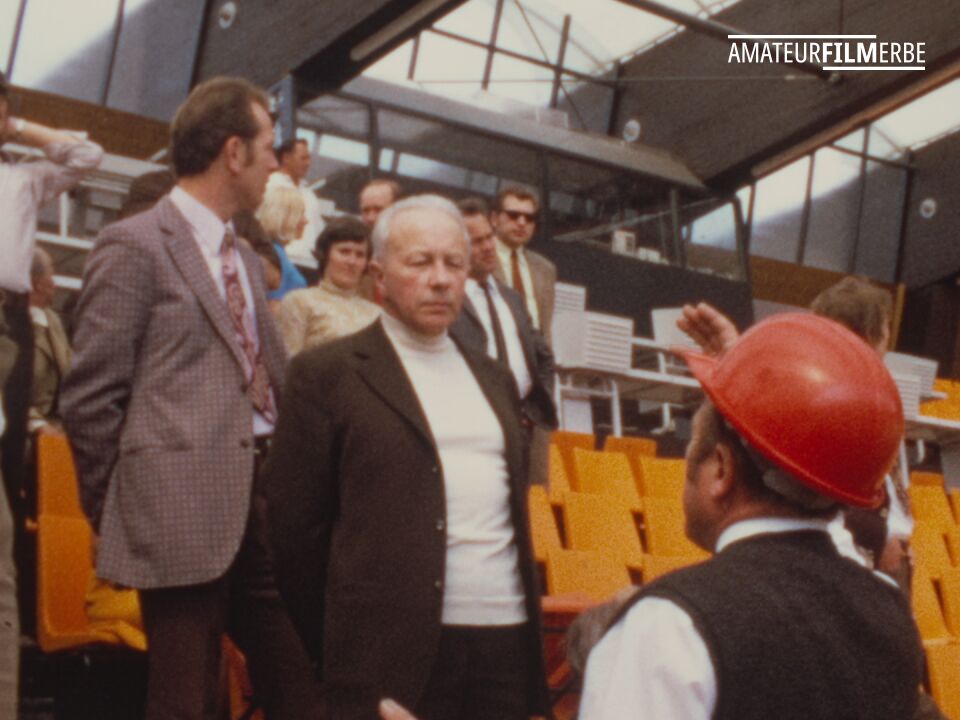
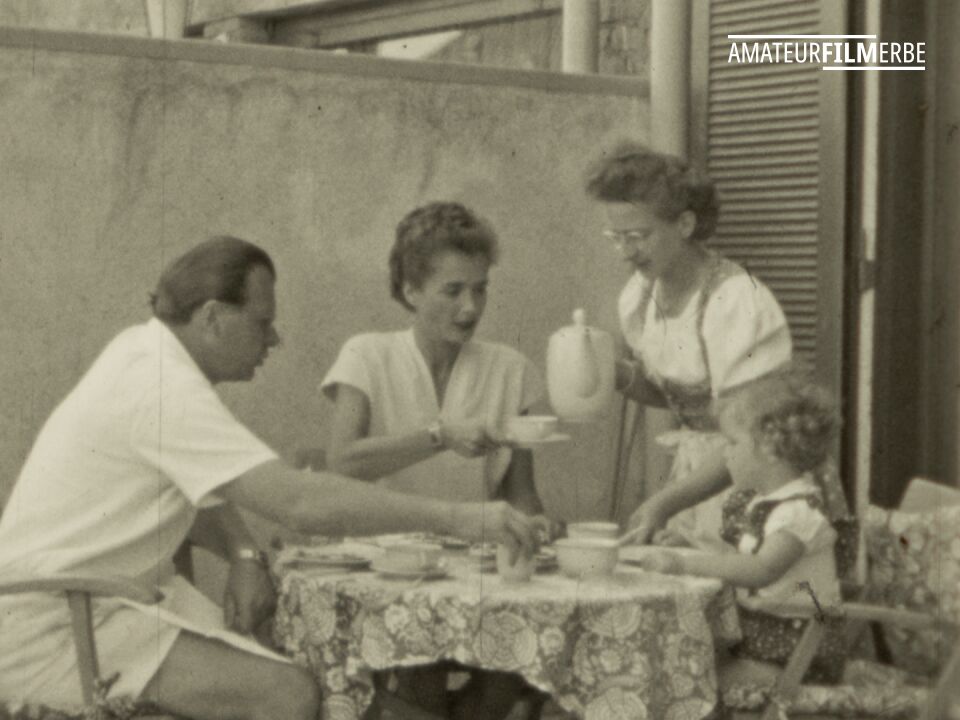
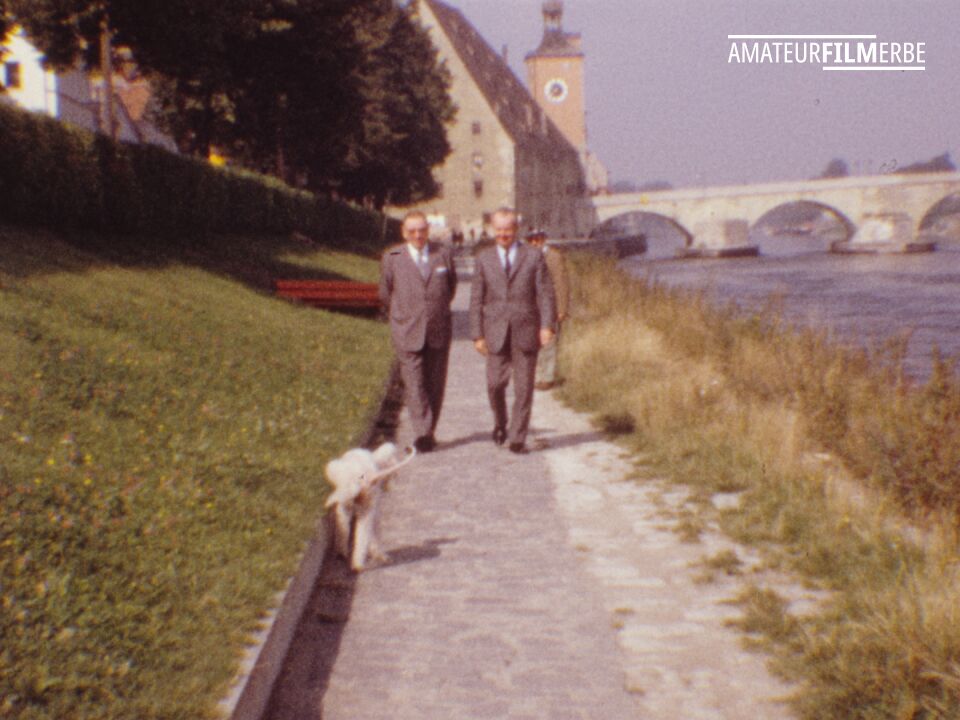
The people behind the camera usually remain hidden from us today. Only now and then is the filmmaker himself visible in the frame – when the camera has been handed over or placed on a tripod. Recurring motifs of women and children suggest that filmmaking was primarily a male domain. Only rarely do opening credits reveal their identities, so that today we are often faced with only the images they left behind on celluloid.
For several years now, the photographer Steffen Hauser – who was himself an enthusiastic 8mm filmmaker in his youth – has been collecting amateur films. From time to time, old amateur films from the estates of their creators turn up on online marketplaces and at flea markets. These films often contain unique historical records that could be irretrievably lost without deliberate preservation.

Narrow-gauge film refers to film formats that are narrower than the professional cinema film format of 35 mm. With the introduction of 16 mm film in 1923, filming became affordable for smaller production companies and wealthier private individuals. The 8 mm wide formats Regular 8 (1932) and Super 8 (1965) were even more geared towards amateur filmmakers. The even narrower film material significantly reduced costs, enabling many families to record moving images. However, with the advent of video cameras in the 1980s, narrow-gauge film quickly lost its importance.
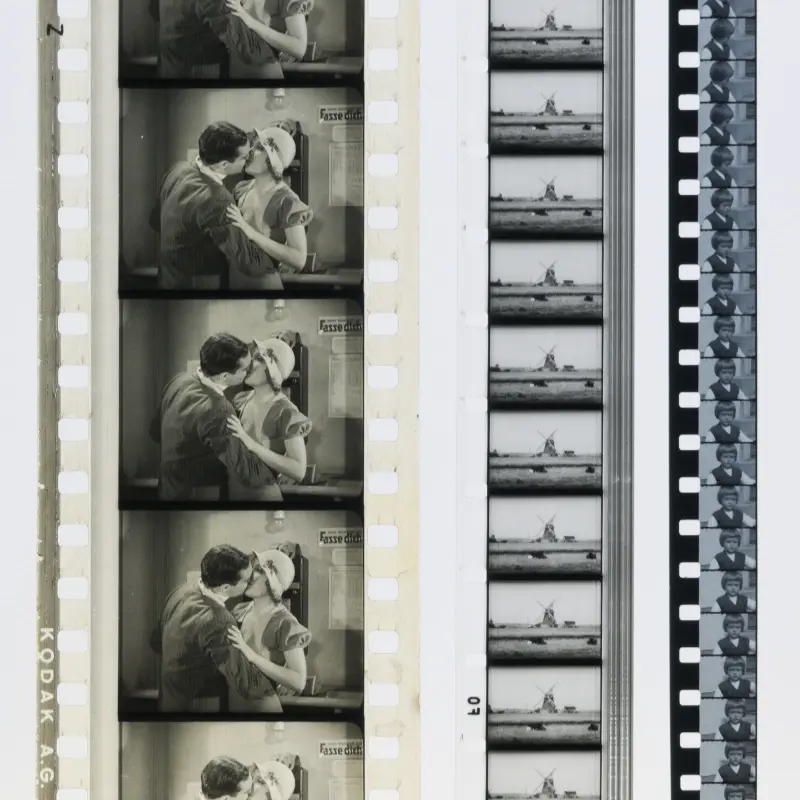
Filming with narrow-gauge film always came with quality limitations. Compared to the 35 mm cinema format, a single frame of 16 mm film has an area of only about 20%, and in the case of Regular 8, only about 5%. Super 8 offers a slightly larger image than Regular 8 due to narrower perforation holes, resulting in slightly improved image quality. For the first time, it was now also possible to record sound directly onto a magnetic strip on the edge of the film. However, due to the low film resolution, 8 mm formats remained almost exclusively the preserve of amateurs, while the 16 mm format was also used in film and television productions.
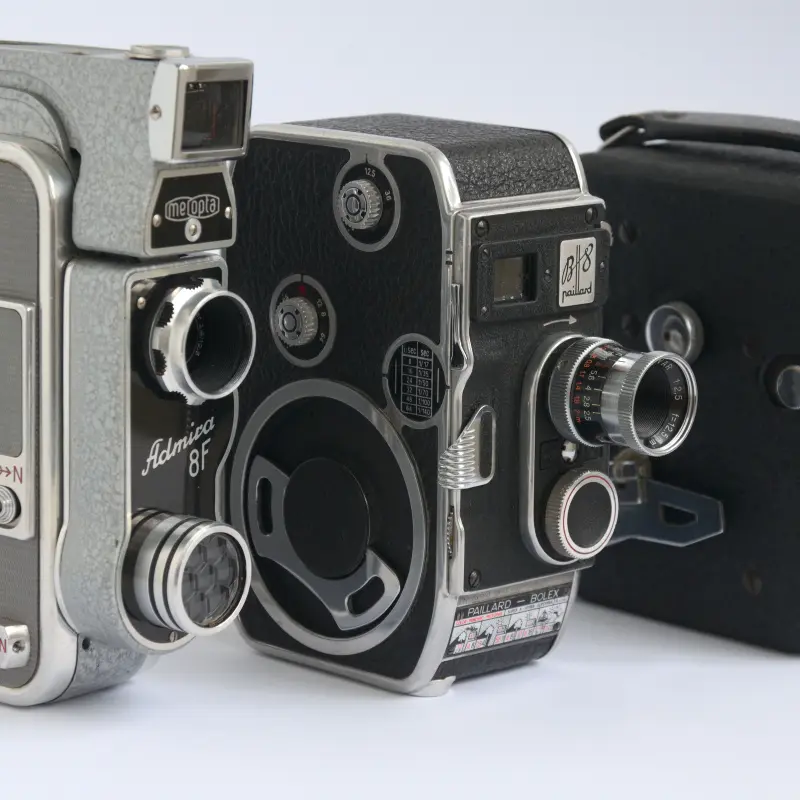
Unlike photography, filming required more effort, but offered greater creative freedom. In addition to the film camera, the basic equipment included a film projector for projecting the footage onto a screen. With the aid of a film viewer and a splicing machine, the developed films, which were usually about three to four minutes long, could be edited and compiled into longer films. Ambitious amateurs created individual film titles and added music and commentary to the finished films.
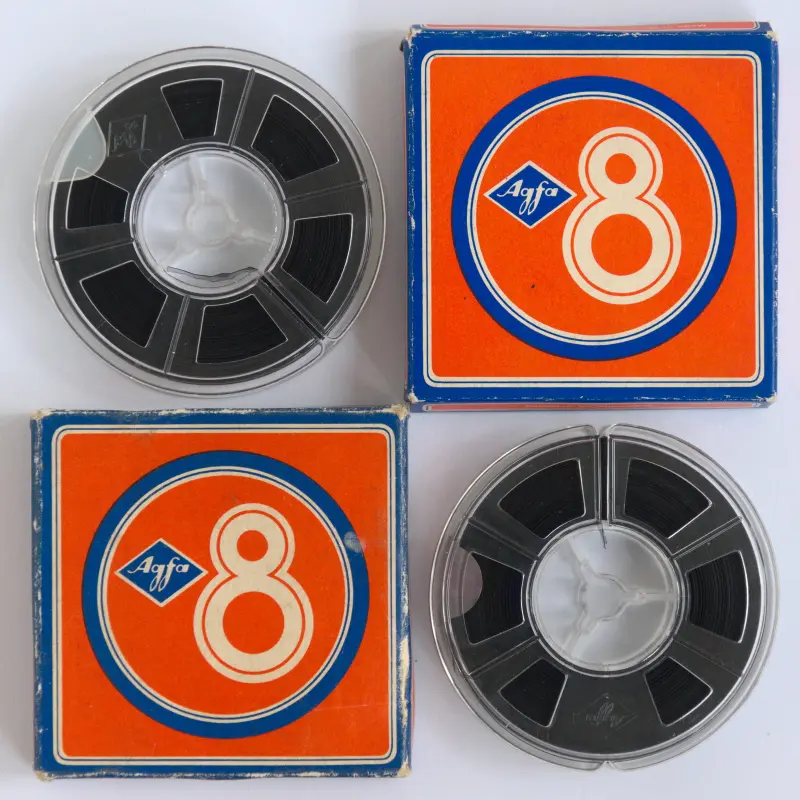
Amateur films are usually unique items that only exist once. Since all film material is subject to a natural ageing process that can lead to colour changes, shrinkage or even decomposition of the film, digitisation is an important means of preserving the recordings. Careful digital restoration can then be used to stabilise shaky footage and reduce dust and scratches, for example. However, the original image impression with the low resolution typical of 8 mm films and the comparatively coarse grain should be preserved.